Showing posts with label Opel. Show all posts

Saturday, September 3, 2011

New Opel Vectra in 2010

The Opel Vectra is a large family car that was engineered and produced by Opel, the German subsidiary of General Motors (GM). In the United Kingdom, the car was sold under the Vauxhall marque as the Vauxhall Cavalier and later as the Vauxhall Vectra, from 1995 onwards. It has also been sold by Holden in Australasia as Holden Vectra, and Chevrolet in Latin America as Chevrolet Vectra.


Elegant new Opel Vectra in 2010


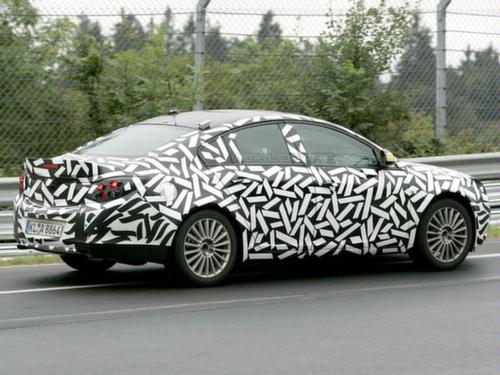
New Opel Vectra in 2010 with unique painting


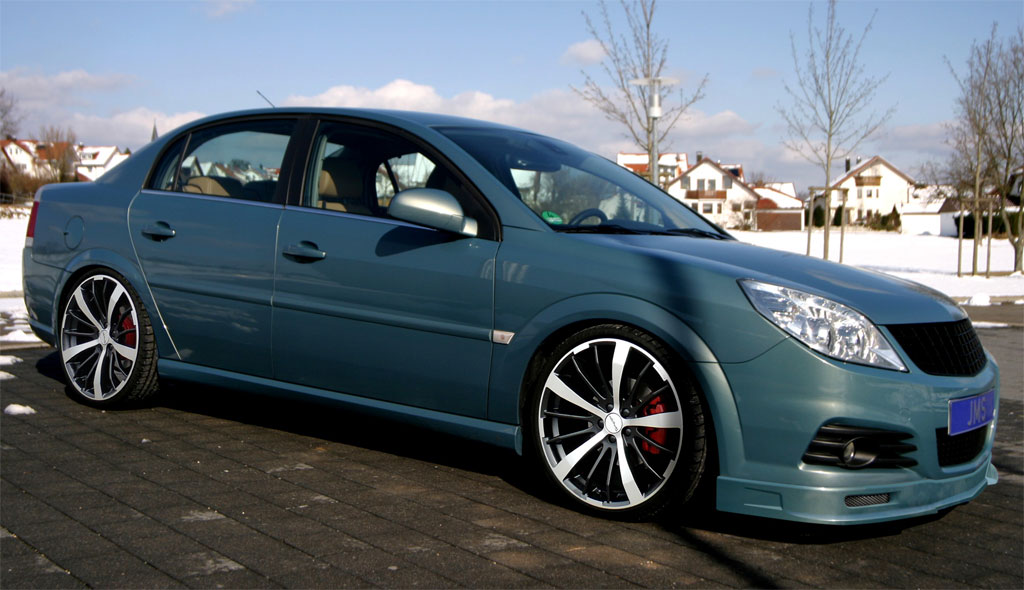
Sporty Opel Vectra


Interior of new Opel Vectra


Beautiful lighting of new Opel Vectra

Tuesday, July 5, 2011

Opel Car 2010

The Opel GT is a two-seat sports car first presented as a styling exercise in 1965 at the Paris and Frankfurt motor shows, and introduced as a production model late in 1968[1] by Opel, a German subsidiary of General Motors. It relied partly on components from the contemporary Opel Cadet B and had a body made by French contractor Briskness & Lodz.


Luxury White Color in Opel Car with New Design


Sporty Opel Car with Luxury Design

Opel Car Design for your and family adventure


The interior of the Opel GT was surprisingly large for a car its size, owing to its original design process (exterior metal was sculpted around an interior model). Headroom and legroom were sufficient for those over 6 feet (1.83 m) tall.


The Opel GT used a steel uni body and a conventional front-engined, rear-wheel drive layout. The Cam-In-Head (CHI) engine was mounted far back in the chassis to improve weight distribution. Front suspension consisted of upper A-arms and a lower transverse leaf spring. A live axle and coil springs were used in the rear. The power-assisted braking system used discs in the front, drums in the rear. Steering was unassisted.


Woody Opel Car Design with Simple Design


Luxury Black Design in Opel Car


Opel Amp era. The five-door, four-seat Opel Amp era uses the propulsion technology called Voltage which operates differently from other advanced propulsion system. This extended-range electric vehicle (E-REV) uses electricity as its primary power source and gasoline as a secondary power source to generate electricity.

Thursday, May 12, 2011

Opel Zafira, 2008

Opel Zafira, 2008


With fresh design accents and three additional engines, the new Opel Zafira will be available at dealerships from February 2008. The Zafira's striking looks communicate dynamics and self-confidence. Its 1.6-liter gasoline and two 1.7-liter CDTI engines embody the current trends: powerful, economical and affordable. This all puts the Opel compact van in an excellent position to continue the success story of the world's first fully versatile seven-seater, which will see its two millionth unit rolling off the assembly line early next year. Following the introduction of the second generation in mid-2005, this Zafira also belongs to the top of its vehicle class with over 450,000 units sold and around ten percent market share in Europe. The new edition of the bestseller makes its world premiere at the Bologna Motor Show (December 7 - 16, 2007).

Alain Visser, Chief Marketing Officer of GM Europe, describes the new Zafira as "the right offer at the right time. We know that customers are very satisfied with its quality, reliability, functionality and versatility. And now we've made the Zafira even sportier and equipped it with more efficient engines. This all keeps the Zafira in benchmark position in the European compact MPV class."

Dynamic V-styling defines face

The new Zafira is characterized by striking front and rear design elements that give the car a sporty note. The confident wide front chrome beam with integrated Opel logo takes the hood tapering and draws it into the two-part radiator grille fins, which are now fully chromed. The distinctive lines around the fog lamp recesses also integrate the bumper into the dynamic V-styling; headlamp housings are also in chrome-look. The Zafira Sport boasts an even more impressive look with its bold, full front lip. The resulting sweep continues from the flared wheelarches, over the side sills to the pronounced rear apron. Other new eye-catching features include two transparent 3-D cells in the red tail lamps. The design enhancement is rounded off by the rear lamps' silver-white strip, which crosses over into the rear chrome beam.

The further refined interior is accentuated by glossy chrome-rings around climate and radio controls as well as new decorative trim on the instrument panel and doors. The Cosmo version features elegant piano lacquer trim on the center console and decorative molding on the steering wheel. The infotainment systems with Navi, CD, DVD and MP3 functions also have stereo connections for external audio equipment, such as an iPod.

The Zafira's "trademark" Flex7 seating system is of course always on board. The unrivalled versatile system ensures fast reconfiguration of the interior without cumbersome removal of the seats.

New engines
The motto for engines is higher economy and power. With a new 1.6-liter gasoline and two 1.7 CDTI common-rail turbo-diesel engines, the range now boasts further highly-efficient propulsion alternatives. In future, Zafira customers can choose from a total of nine different engines. Their output spectrum ranges from the 94 natural gas hp of the especially economical and environmentally-compatible Zafira 1.6 CNG (Compressed Natural Gas) to the 240 turbo hp of the sporty top model Zafira OPC. With these two engines, Opel also enriches the segment with two innovative variants: the natural gas Zafira with only 138 g CO2 paved the way for this alternative form of propulsion, while the OPC version with 240 hp took over the pioneer role for sport vans.

The Zafira model line's favorable operating costs result from a number of factors including low fuel consumption, low maintenance requirements, long service intervals and above all high value retention. This all helped the Opel van to take first place in the "Best Value 2006" awards in specialist magazine "Auto Bild".

The new, weight-optimized 1.6 TWINPORT ECOTEC with seamlessly controllable intake and exhaust camshafts has output of 85 kW/115 hp. The four-cylinder, four-valve unit replaces the 77 kW/105 hp 1.6-liter engine and consumes just 7.0 liters of fuel per 100 km. This reflects a savings of 4.3 percent compared to the predecessor. At the same time, better driving performance can be achieved thanks to the increased power, which is reflected in the 9 km/h higher maximum speed and acceleration of 13.4 seconds from zero to 100 km/h.

The new 1.7 CDTI engines with 81 kW/110 hp and 92 kW/125 hp both come with six-speed manual transmission as standard and feature common-rail injection, four-valve technology with swirl control as well as maintenance-free diesel particulate filter. They replace the 74 kW/100 hp 1.9 CDTI and the manual gearbox version of the 88 kW/120 hp 1.9-liter diesel. With increased torque of 20 and 40 Nm respectively, the 1.7 CDTI units provide noticeably more power while consumption and emissions are reduced. Efficiency is increased by up to 5 percent. Both diesel units require 5.7 liters of fuel per 100 km and emit just 152 g CO2 per km.

2012 Opel Ampera

Sunday, March 6, 2011

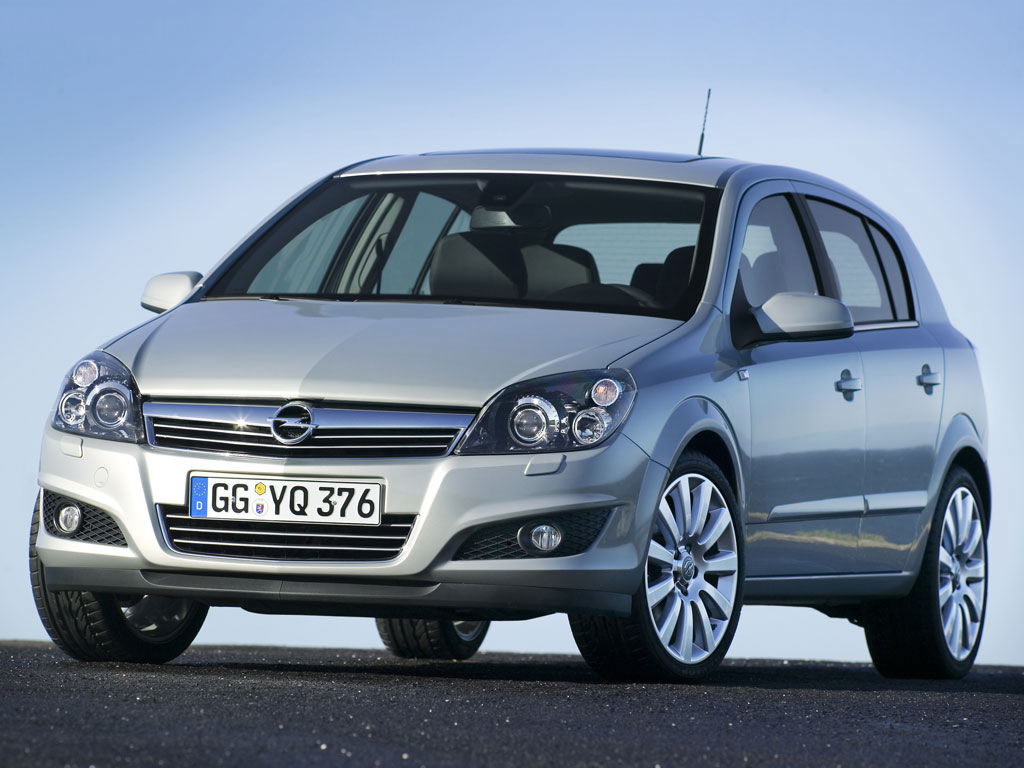
astra new

In 2010, the market itself, but in 2011, showing the new Opel Astra from a bit of talk about .Independent of the articles on the site, looks like a post off-topic, but it is not. Because the new Astra a full wonder of design and technology Astra sharp lines draws attention to the design previously encountered Insignia. Always in my dreams adorning the front view, but still sevemediğim (though the price of both) is reminiscent of Mercedes C series. Of course, the difference is noticeably different and have a nice .Inside the vehicle while providing a complete environment of comfort and control. The pictures looked pretty wide, because I said the picture, but the eye to see when the test is really broad farkediyorsunuz. The center console has been so stylish that you feel yourself in a different environment. Of course, this situation, including the lighting when the new Astra ‘not satisfaction of the taste. Sports seats, depending on the car you make.


Opel Astra

The new Astra, the most sophisticated and high-level sporty style, fun and young designs, even up to a very wide range of hardware options Opel Astra, the product of the latest technology, offering sophisticated technological feature options. FlexRide and class-leading features such as the AFL + Get more info about. The new Opel Astra is one of the most prestigious awards in the automotive sector “Goldenes Lenkrad 2009″ Award The new Opel Astra, with all the features of a star: a gorgeous appearance, athletic body and great performance . a revolutionary technological innovation and reflect the view of Opel new design language of the award-winning, new Astra compact class is getting ready to mobilize again. Possibility of value-added personal touch .17 “light alloy wheels, sunroof and Enjoy Plus Pack model is among the features offered as an option


Wednesday, February 9, 2011

Opel Astra, 2010

Opel Astra, 2010


The new Opel Astra brings into the compact class its own interpretation of the brand's award-winning design language of combining sculptural artistry with German precision first seen in the Opel Insignia. Its strong sporty lines and elegant details add to a new handsome look.

The exterior of the new generation Opel Astra, which debuts in September 2009 at the IAA in Frankfurt, boasts a strong cab-forward, fluid silhouette. Inside, high quality materials and a total re-think of the design add to the excitement of driving a compact car. Moreover, Opel has added innovative extras - higher quality materials, more storage, improved seats and safer bumpers - to give the Opel Astra comfort, health and safety features not usually seen in the compact class.

The exterior design gives Opel philosophy a new twist
Designers have given Opel's new philosophy an interpretation fitting for the compact class using the same wing and blade styling cues first introduced on the mid-sized Insignia. Sculpted into the side panels of the new generation Opel Astra, the blade sweeps rear ward and upward, connecting with the side window line, giving the car balance and harmony. Eagle eye-shaped headlamps that encompass the prominent signature wing daytime running lights give the Opel Astra face a low, sporty character.

A graceful flowing silhouette connects the muscular shoulder lines with an expressive rear to make it sporty yet elegant. On the front fascia, the next generation Opel Astra re-interprets the new Opel face by using the small upper grille to frame the new Opel logo, while emphasizing the bigger, bolder lower opening so as to create a sportier look.

The inside, design cues used to create driver-focused styling
Echoing the flowing forms of the bodywork, the hallmarks of the interior are sweeping lines and shapes that are executed with care. Interior designers achieve that, for instance, by creating bold, dynamic shapes that use materials intelligently. Everything drivers and passengers touch has been given a refined, high quality feel. In addition,
The interior also continues Opel's recurring wing and blade motifs. In this execution, the blade theme is expressed in details like the shape of the door grab handles and the trim for gearshift molding and steering wheel. The wing design cue is immediately evident in the warm, inviting wraparound instrument panel that embraces front seat occupants. It arcs across the cabin into the top of the door moldings.

Health, safety and comfort added via storage, seats and bumper improvements
The Opel Astra has added practicality through greatly increased storage and clever solutions for a compact class car that include a mini glove box on the driver's side and a drawer under the front passenger seat.
New, high quality seat technology brings added comfort and help to backs. In addition, safety was a major consideration in design. A new, intelligent bumper is intended to minimize damage in front and rear collisions, reducing injury to pedestrians and passengers and saving money in repairs and insurance.

The execution matched by great components and perceptual quality
Opel designers and engineers believe quality execution also must be matched by what the customer sees and feels. Such perceptual quality is particularly important in the interior, where the appearance and tactile properties of all materials must be on a par with their high standard of fit and finish.

The quality of the materials used in the new Astra is evident in such things as the grained, soft-touch surfaces, the textured panels, the quality of the décor, the chrome trim elements, and the feel of operating buttons and switches.

Opel Astra, 2010

Opel Astra, 2010


The new Opel Astra brings into the compact class its own interpretation of the brand's award-winning design language of combining sculptural artistry with German precision first seen in the Opel Insignia. Its strong sporty lines and elegant details add to a new handsome look.

The exterior of the new generation Opel Astra, which debuts in September 2009 at the IAA in Frankfurt, boasts a strong cab-forward, fluid silhouette. Inside, high quality materials and a total re-think of the design add to the excitement of driving a compact car. Moreover, Opel has added innovative extras - higher quality materials, more storage, improved seats and safer bumpers - to give the Opel Astra comfort, health and safety features not usually seen in the compact class.

The exterior design gives Opel philosophy a new twist
Designers have given Opel's new philosophy an interpretation fitting for the compact class using the same wing and blade styling cues first introduced on the mid-sized Insignia. Sculpted into the side panels of the new generation Opel Astra, the blade sweeps rear ward and upward, connecting with the side window line, giving the car balance and harmony. Eagle eye-shaped headlamps that encompass the prominent signature wing daytime running lights give the Opel Astra face a low, sporty character.

A graceful flowing silhouette connects the muscular shoulder lines with an expressive rear to make it sporty yet elegant. On the front fascia, the next generation Opel Astra re-interprets the new Opel face by using the small upper grille to frame the new Opel logo, while emphasizing the bigger, bolder lower opening so as to create a sportier look.

The inside, design cues used to create driver-focused styling
Echoing the flowing forms of the bodywork, the hallmarks of the interior are sweeping lines and shapes that are executed with care. Interior designers achieve that, for instance, by creating bold, dynamic shapes that use materials intelligently. Everything drivers and passengers touch has been given a refined, high quality feel. In addition,
The interior also continues Opel's recurring wing and blade motifs. In this execution, the blade theme is expressed in details like the shape of the door grab handles and the trim for gearshift molding and steering wheel. The wing design cue is immediately evident in the warm, inviting wraparound instrument panel that embraces front seat occupants. It arcs across the cabin into the top of the door moldings.

Health, safety and comfort added via storage, seats and bumper improvements
The Opel Astra has added practicality through greatly increased storage and clever solutions for a compact class car that include a mini glove box on the driver's side and a drawer under the front passenger seat.
New, high quality seat technology brings added comfort and help to backs. In addition, safety was a major consideration in design. A new, intelligent bumper is intended to minimize damage in front and rear collisions, reducing injury to pedestrians and passengers and saving money in repairs and insurance.

The execution matched by great components and perceptual quality
Opel designers and engineers believe quality execution also must be matched by what the customer sees and feels. Such perceptual quality is particularly important in the interior, where the appearance and tactile properties of all materials must be on a par with their high standard of fit and finish.

The quality of the materials used in the new Astra is evident in such things as the grained, soft-touch surfaces, the textured panels, the quality of the décor, the chrome trim elements, and the feel of operating buttons and switches.
Opel Insignia Hatchback, 2009

Opel Insignia Hatchback, 2009


The new Opel Insignia highlights breathtaking design: Both body styles boast a flowing, muscular yet elegant silhouette with a coupé roofline. Designers of the new car deliberately created similar versions to retain the beauty of Opel's latest mid-sized car. The length of both the notch and hatchback, at 4,830 mm, and the wheelbase of 2,737 mm remain the same.

The Insignia's fuel consumption, CO2 emissions and driving dynamics benefit from the aerodynamic efficiency that was perfected during more than 650 hours in the wind tunnel. The result: A class-leading drag coefficient of 0.27.

Offering both the notchback and hatchback from the start is particularly important for markets such as the U.K. and France, where 5-door sedans traditionally enjoy a high market share of the mid-size class segment. German and Spanish customers, on the other hand, generally prefer notchback sedans. Prices for the U.K., Ireland, Germany, Austria and Switzerland will be announced July 22 in London and cars will hit German dealerships before the end of the year. Opel expects both models to sell in about equal numbers.

From the beginning, the Insignia will be launched with a broad line-up of motors. Seven engines will be available; all meet Euro 5 emissions standards and come coupled with six-speed transmissions. The four gasoline engines range from a four-cylinder 115 hp unit to a V6 with 260 hp. Three new direct-injection turbo-diesels exclusively developed for the Insignia feature a displacement of 2.0 liters and power outputs spanning from 110 to 160 hp.

The newly developed chassis can be enhanced with the innovative, integrated FlexRide mechatronic system, as well as the sophisticated Adaptive 4x4. Its lightning-fast distribution of torque over the four wheels ensures top stability and traction while improving dynamic handling performance.

Opel Insignia Hatchback, 2009

Opel Insignia Hatchback, 2009


The new Opel Insignia highlights breathtaking design: Both body styles boast a flowing, muscular yet elegant silhouette with a coupé roofline. Designers of the new car deliberately created similar versions to retain the beauty of Opel's latest mid-sized car. The length of both the notch and hatchback, at 4,830 mm, and the wheelbase of 2,737 mm remain the same.

The Insignia's fuel consumption, CO2 emissions and driving dynamics benefit from the aerodynamic efficiency that was perfected during more than 650 hours in the wind tunnel. The result: A class-leading drag coefficient of 0.27.

Offering both the notchback and hatchback from the start is particularly important for markets such as the U.K. and France, where 5-door sedans traditionally enjoy a high market share of the mid-size class segment. German and Spanish customers, on the other hand, generally prefer notchback sedans. Prices for the U.K., Ireland, Germany, Austria and Switzerland will be announced July 22 in London and cars will hit German dealerships before the end of the year. Opel expects both models to sell in about equal numbers.

From the beginning, the Insignia will be launched with a broad line-up of motors. Seven engines will be available; all meet Euro 5 emissions standards and come coupled with six-speed transmissions. The four gasoline engines range from a four-cylinder 115 hp unit to a V6 with 260 hp. Three new direct-injection turbo-diesels exclusively developed for the Insignia feature a displacement of 2.0 liters and power outputs spanning from 110 to 160 hp.

The newly developed chassis can be enhanced with the innovative, integrated FlexRide mechatronic system, as well as the sophisticated Adaptive 4x4. Its lightning-fast distribution of torque over the four wheels ensures top stability and traction while improving dynamic handling performance.